Destination marketing teams are putting AI to work across their entire marketing mix — from paid campaigns and email to blog content and brand-new site builds, and even generating in destination QR codes that connect travelers instantly to the experiences they're looking for.
Social Media: Instagram
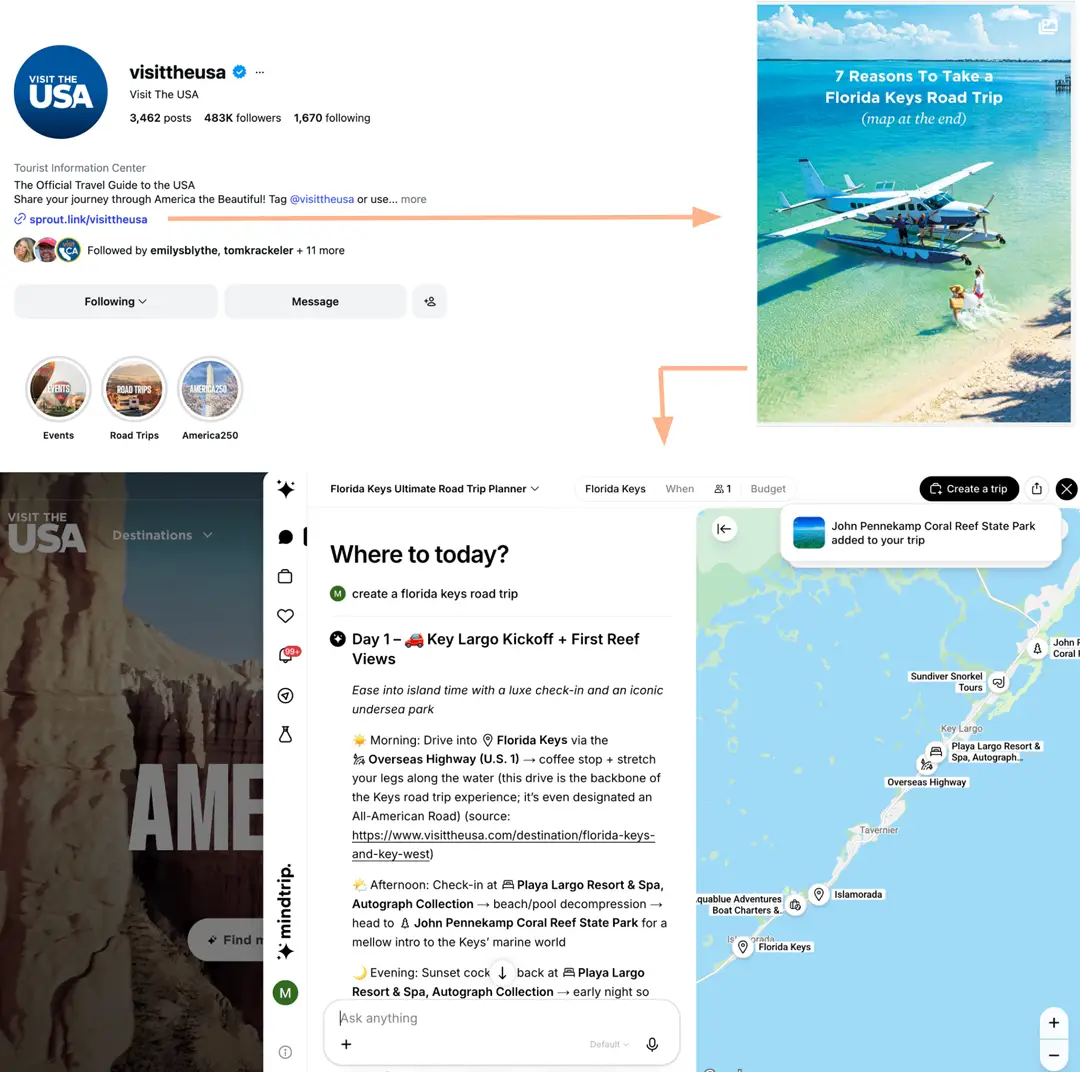
Brand USA Linktree
BrandUSA social links pass prompts into the Mindtrip experience, opening up their website with Mindtrip open to explore the inspirational post more deeply.
Social Media: YouTube
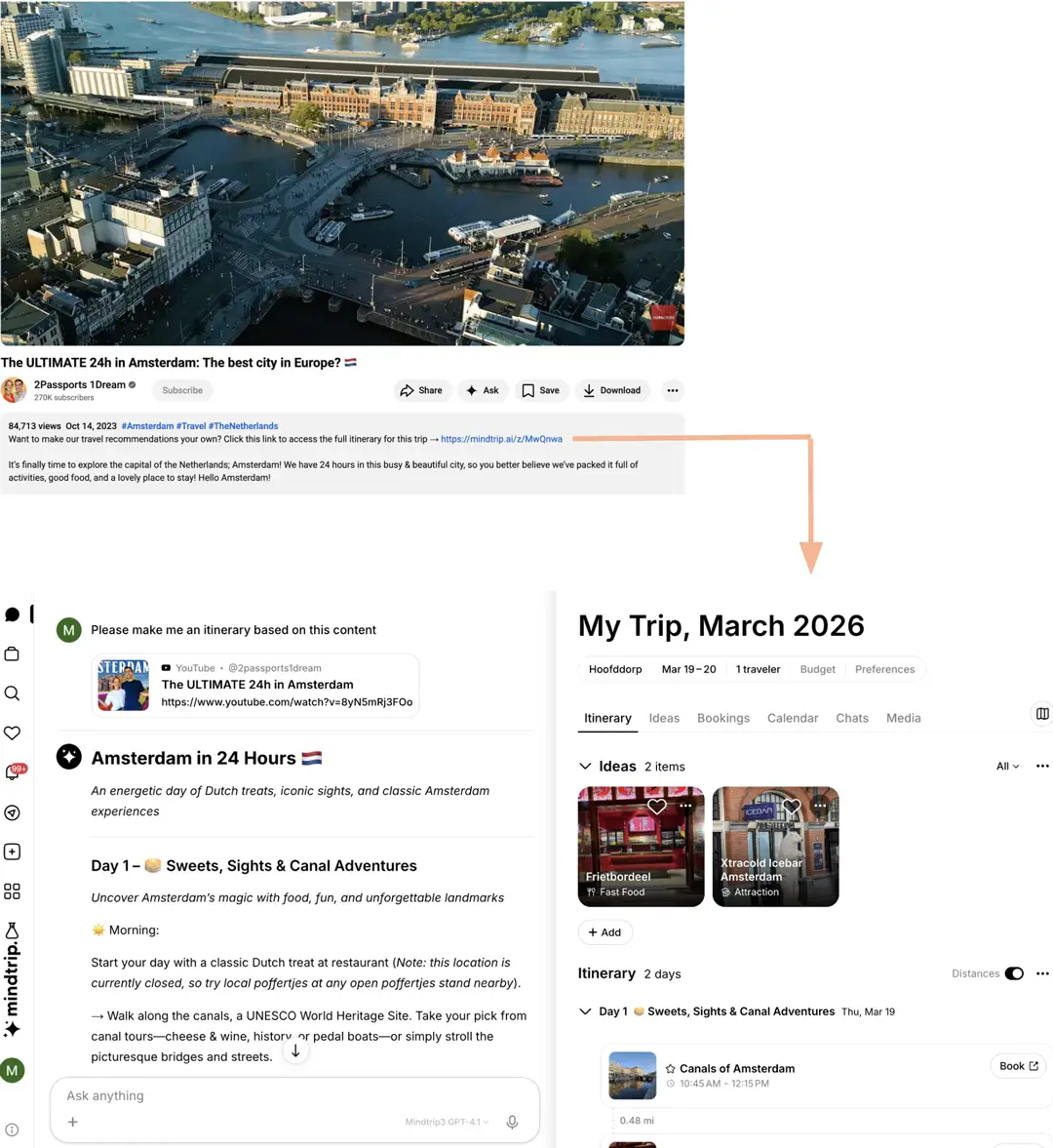
Mindtrip Creator Magic Links
2Passports 1Dream is a Mindtrip Creator who leveraged the description in their 24 hours in Amsterdam video to help visitors “steel their itinerary” / extract recommendations from their 16 minute video for trip planning.
Paid Media: Landing Page
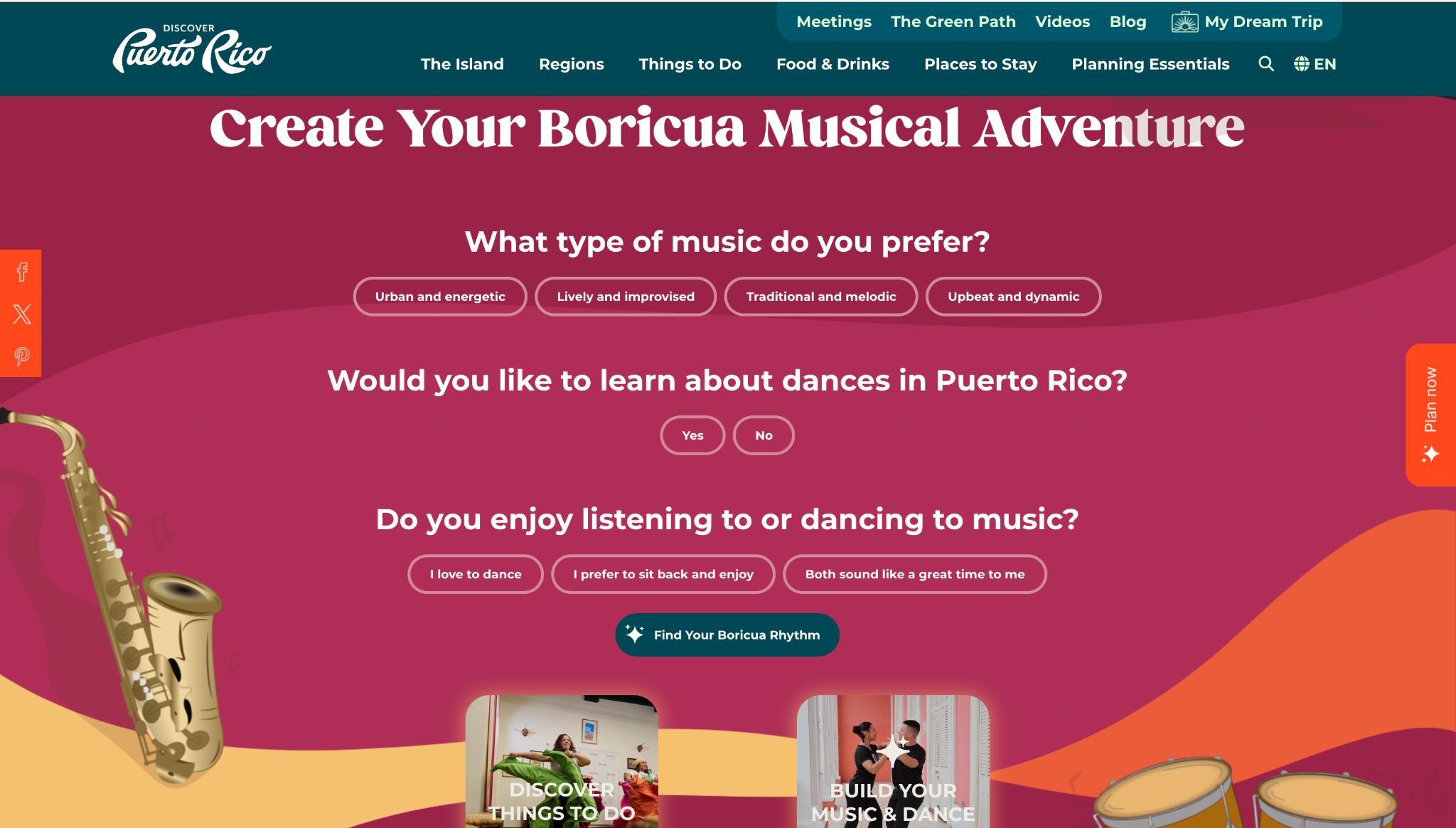
Discover Puerto Rico Music & Dance Campaign
Discover Puerto Rico’s music and dance experience shows how destination storytelling can evolve with AI trip planning—inviting travelers to feel the rhythm of the island through genres like salsa, bomba, and reggaetón while seamlessly connecting that inspiration to where they can experience it in real life. The team drove paid media to an interactive music and AI chat experience and saw an 11,600% increase in hotel partner handoffs. By pairing immersive, sensory content with clear pathways to places, events, and local culture, it creates a foundation for AI to turn that energy into personalized recommendations and itineraries. It’s a strong example of how destinations can move beyond static content to power dynamic, context-aware planning that brings travelers from inspiration to action.
Visit Myrtle Beach: Holidays Campaign
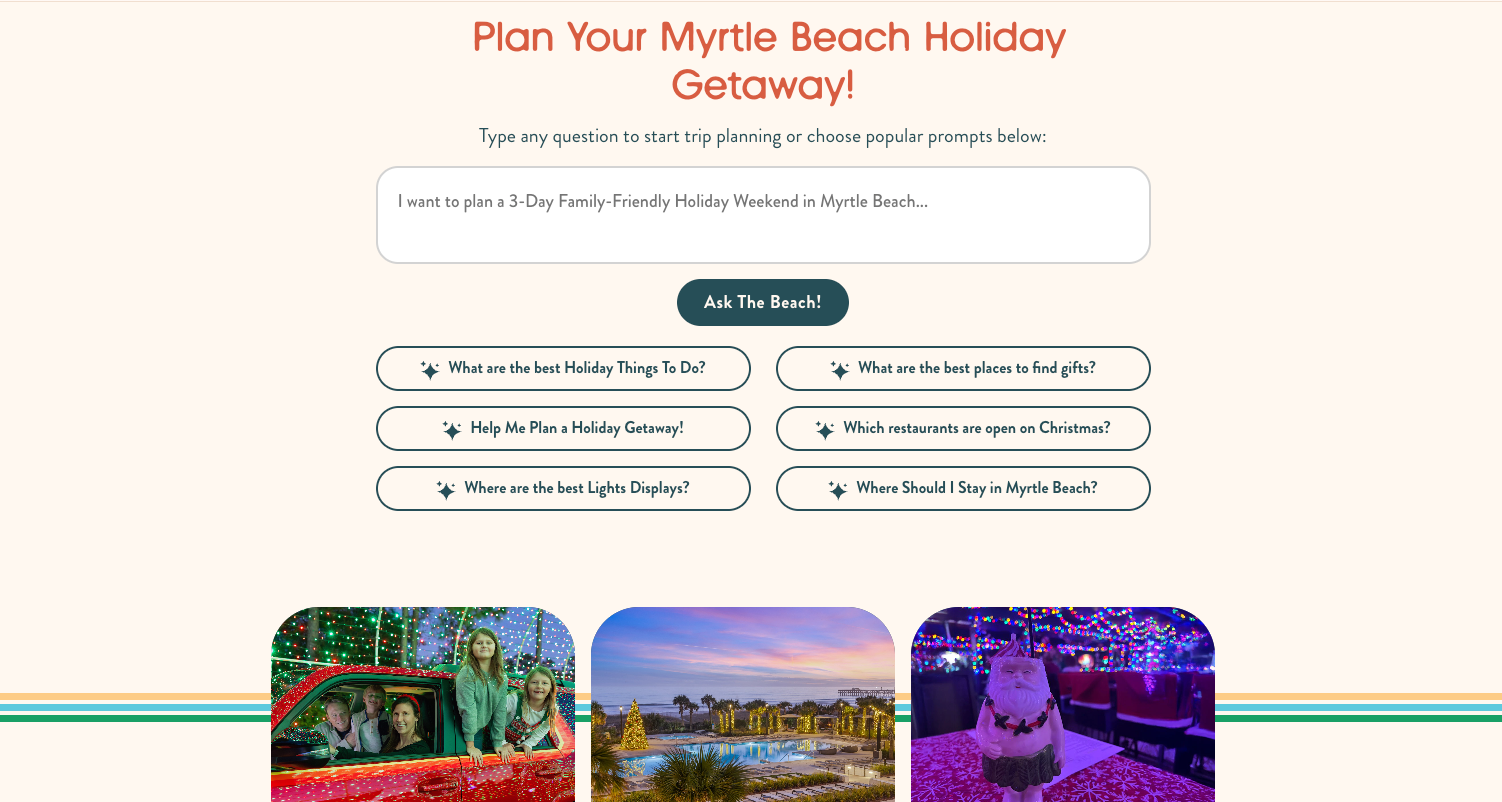
This holiday landing page from Visit Myrtle Beach turns a traditional guide into an interactive planning experience by embedding AI directly into the campaign.
At the center is an open-ended AI text box (“Ask The Beach”) that lets visitors ask anything and get personalized recommendations in real time—shifting from static browsing to intent-driven planning. Surrounding it are sample prompts that help users get started, reduce friction, and guide them toward high-value queries like holiday events, dining, and light displays.
The AI is seamlessly integrated alongside curated content—so users can either explore or jump straight into personalized trip planning. By driving paid media traffic to this experience, the destination captures traveler intent immediately and turns holiday inspiration into actionable itineraries, creating a more engaging and conversion-oriented funnel.
Paid Media: Social
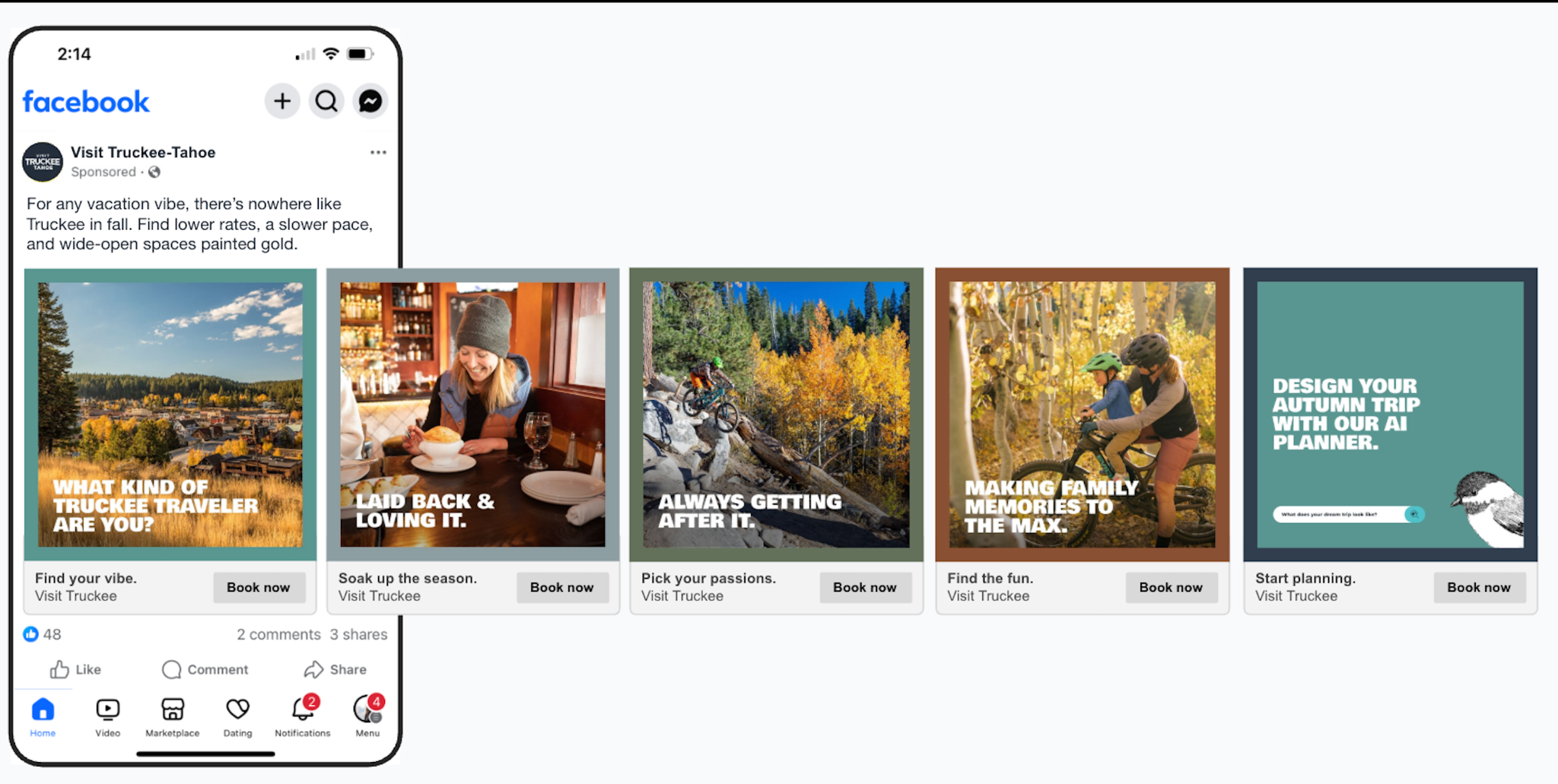
Visit Truckee Tahoe Social Carousel
Visit Truckee Tahoe tested how AI-powered planning can enhance campaign performance by integrating Mindtrip into their paid media strategy across fall, winter, and spring. Through A/B testing, they compared ads linking to seasonal website pages versus ads linking directly into Mindtrip experiences, and saw a significant lift in visitation—21.2% compared to 14.0%, a 51% increase as measured through their Tourism Economics analytics.
Email: Newsletter
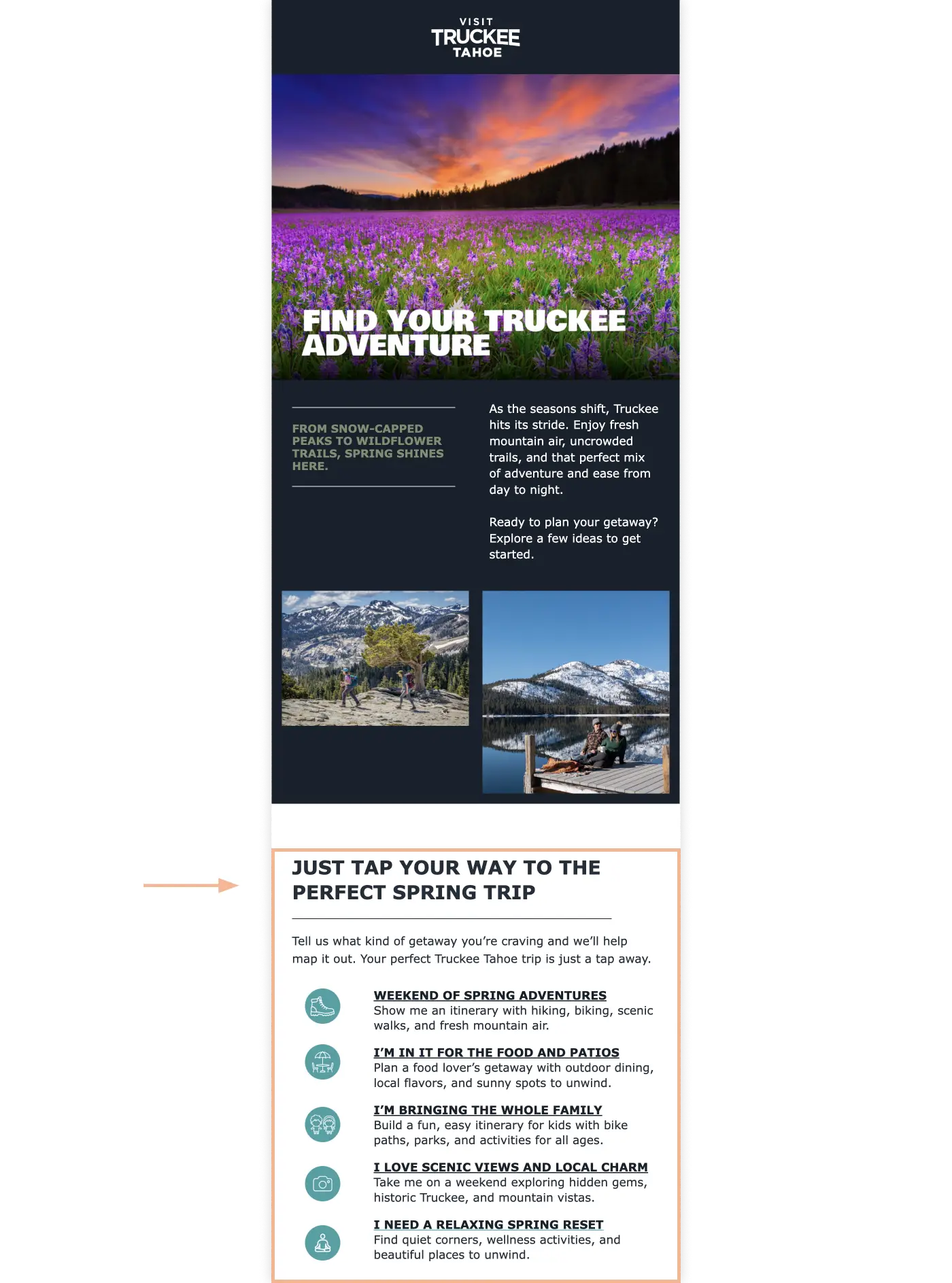
Truckee Sample Prompts
Visit Truckee Tahoe extended their AI-powered campaign into owned channels by embedding sample prompts directly within their email newsletter, guiding travelers to “tap into” specific trip ideas—like scenic hikes, cozy food getaways, or family-friendly weekends—which deep-link into a live Mindtrip experience on their site. This approach removes the friction of starting from a blank page and instead meets travelers with structured inspiration that instantly converts into interactive planning.
In Destination QR Codes
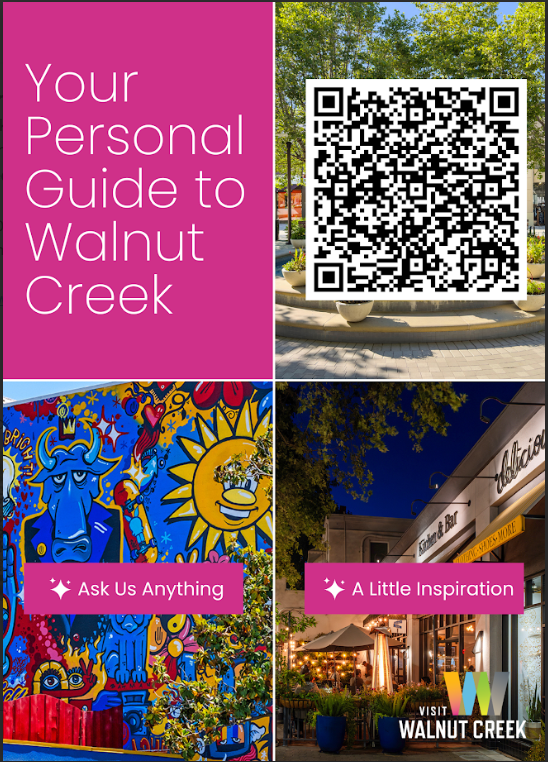
Visit Walnut Creek
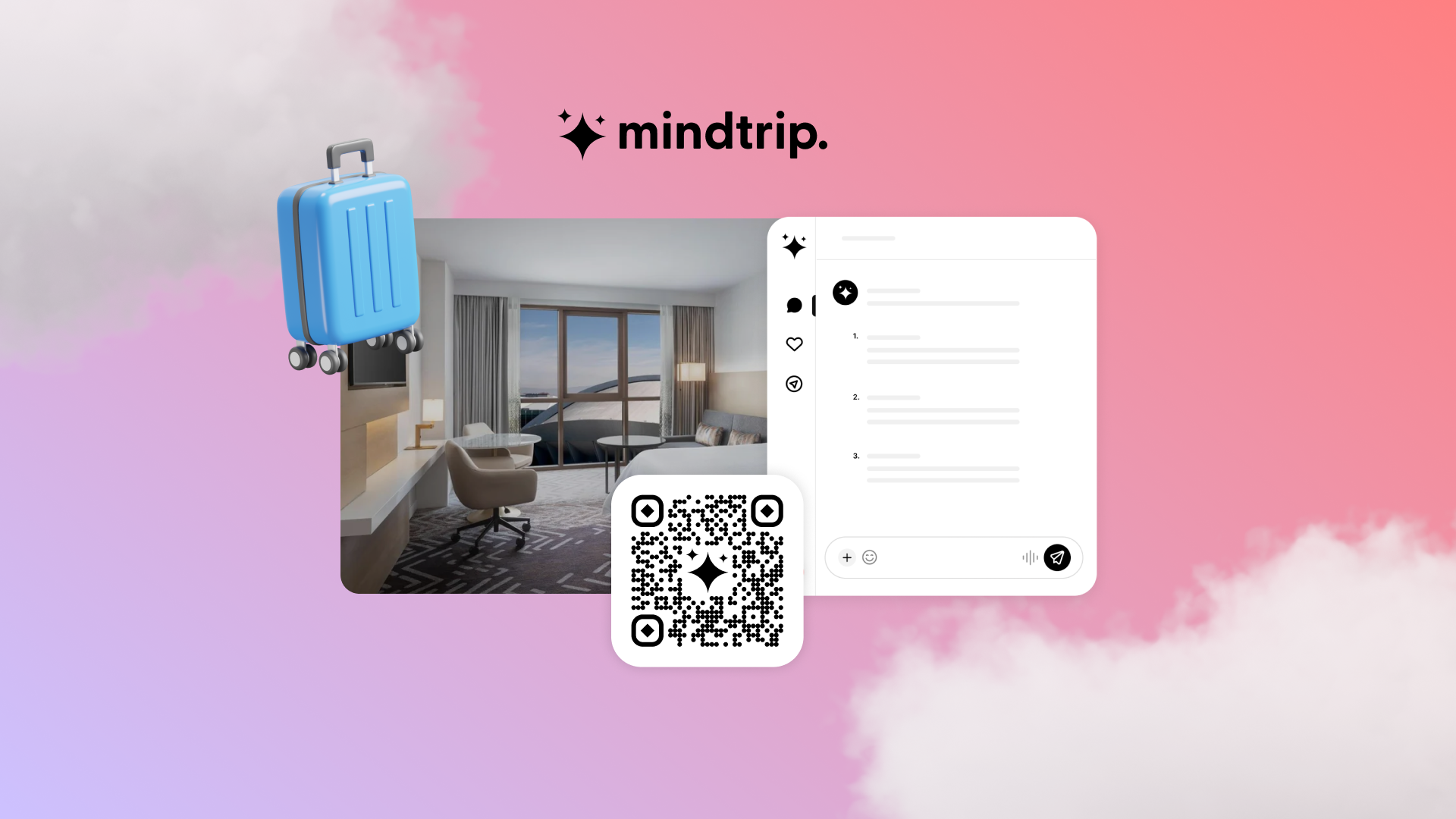
Visit Walnut Creek is working to extend AI trip planning into the physical travel experience by placing QR codes throughout partner hotels, allowing guests to instantly access a live Mindtrip experience during their stay. Whether in lobbies, guest rooms, or concierge areas, these QR codes will act as real-time entry point into personalized recommendations— helping travelers discover nearby dining, attractions, parking information, and hidden gems tailored to their needs in the moment. This approach turns static hotel environments into dynamic planning hubs and captures high-intent, in-destination moments when travelers are actively deciding what to do next.